Concrete pool decks in Pasadena CA - a cooler deck with a sealed pool edge
Cracked, sunken or too hot to walk on? We pour a new deck on a packed base, with the joints and pool edge done right.
What goes into a new concrete pool deck in Pasadena?
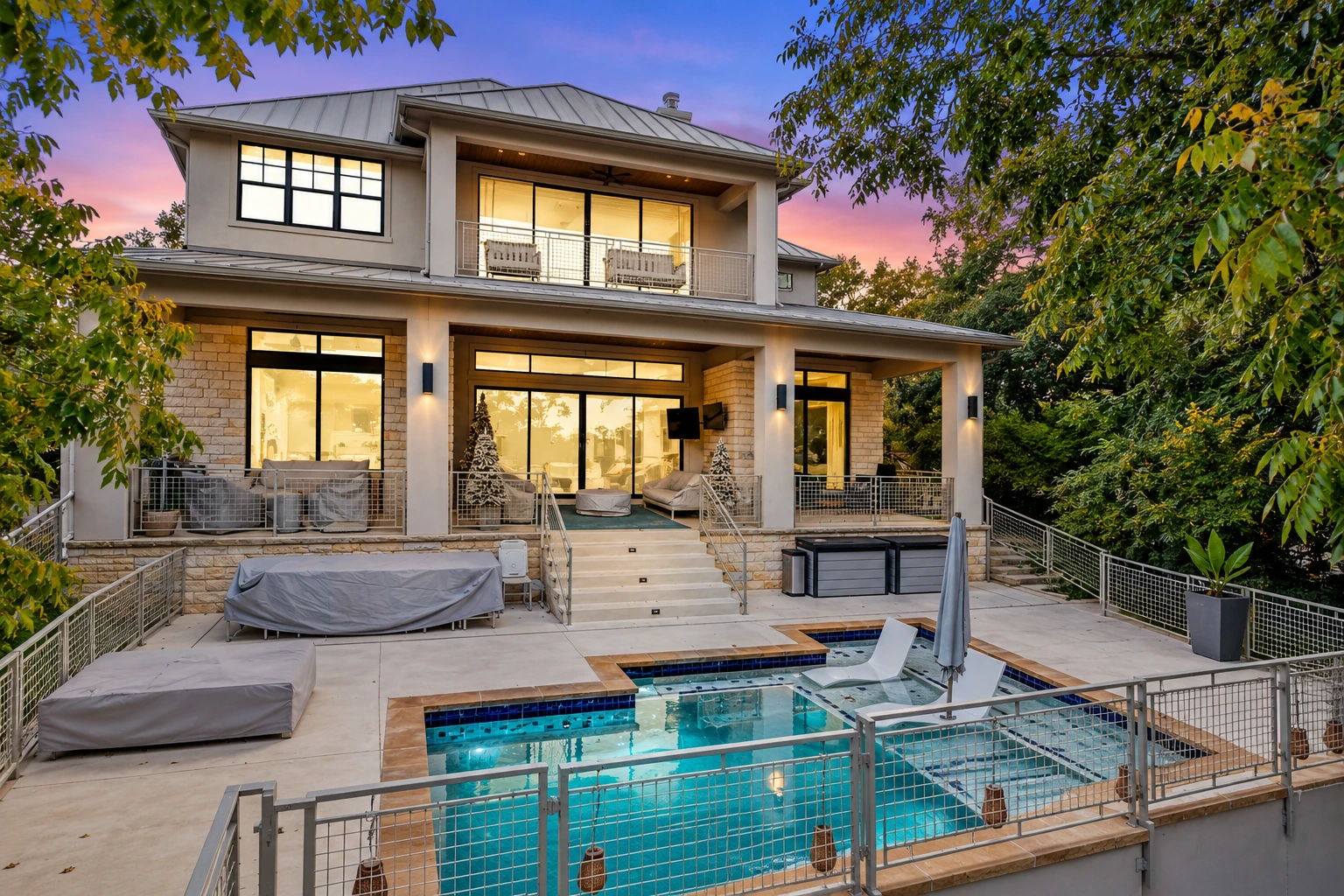
A new concrete pool deck in Pasadena is the flat concrete around your pool, formed, poured and finished by our crew on a dug-out, packed base so it holds its shape and sheds water away from the pool.
We're based in Pasadena and work across the cities around it, and most calls come when an old deck has cracked, dropped at one corner or gotten too hot to cross barefoot. The price moves with the deck's size and shape, whether old concrete has to come out, how easily our crew can get into your back yard, how much base work the ground needs and the finish you pick. The schedule turns on the permit question, the weather, since we plan pours around the afternoon heat, and curing, the days concrete needs to harden before you use it. If steps lead down from the house, we can pour new concrete steps at the same time, and your written estimate spells out your figure and what's in it.
How do you know your pool deck needs work?
Most pool decks tell you something's wrong long before they fail. Here's what I look for when a homeowner walks me around the pool, and what each sign usually means underneath.
Cracks that keep getting wider, or run all the way across, usually mean the slab is moving.
A sunken or tipped section with a lip you can stub a toe on usually means the base settled.
Water that puddles or drains toward the pool or house usually means the deck has lost its slope.
Gaps or crumbling grout where the deck meets the pool edge usually mean water is getting under the deck.
A deck that's too hot to cross barefoot in summer usually comes down to a dark color.
Flaking, chipping or a dusty surface usually means a weak top layer, often from a pour in midday heat.
If a crack is getting wider or a section has dropped, call now rather than next season, because a moving deck usually gets harder and costlier to fix.
What happens after you call about a pool deck?
I look at every job and write the estimate myself, and I'm on site while our crew does the work. Here's how a pool deck goes from your call to the final walk-through.
Call or send the form
Call (626) 345-7318 or use the form, and we'll set a time for me to come look at the deck. Tell us if you're weighing a coating against a new pour, so I can check the old deck for both.
I measure and walk the deck
I measure, look at the old concrete and the pool edge, ask how you use the space and tell you what I'd do and why. You get a written estimate that lays out the work line by line, so you can compare it fairly with other bids.
We settle permits and prep
Once you say go, we sort out whether the job needs a permit and who's pulling it, and put that in writing before we start. Then our crew tears out the old deck if there is one and digs out and packs the base.
We pour, finish and walk it
Our crew forms, pours and finishes the deck while I run the job, and the pool edge joint gets sealed once the concrete is ready for it. Then I walk the finished deck with you and go over how long to stay off it and how to look after it.
Get a written estimate for your pool deck
Send the form and we'll get back to you within one business day to set a time. I'll come out, measure and give you a free written estimate, with no obligation.
- Call
- (626) 345-7318
- Hours
- Mon–Fri: 8 AM–11 PM, Sat–Sun: 6 AM–10 PM
Pool deck base, joints and color choices
The base is the part nobody sees on day one, so it's the first thing people want to cut. I won't cut it. We dig out and pack the subgrade, what the slab sits on, the same way we would under a slab foundation, because a deck raked level over loose fill settles right along with it. We also check where the water runs, so the deck falls away from the pool and the house.
Your deck moves with the air temperature while the pool shell moves with the water, so the two never move together. That's why the joint where the deck meets the pool edge is where trouble usually starts, and why we fill it with a flexible sealant, not grout or mortar that cracks loose. Across the deck we cut control joints, planned lines that give the slab a place to crack, and we cut them on time.
If you'll be barefoot out there, I'll steer you toward a lighter color, because dark concrete soaks up the sun and can get hot enough to hurt, while light concrete reflects it. Most decks get a broom finish, a light brushed texture, though we also do stamped and decorative work if you want a pattern. Sealer is the last choice, and I'll go over the kinds with you before you pick one.
Pool deck questions we hear in Pasadena
Can I coat my old concrete pool deck instead of replacing it?
You can if the old deck is sound, and one guide puts a coating at 1 to 2 days of work against 5 to 7 for a full new pour. The catch is that the cracks you have now will eventually show back through the coating. If the deck is still moving, has settled or has several wide cracks, it needs structural repair before any coating, and I'll tell you at the estimate which way yours points.
How much does a concrete pool deck cost in the Pasadena area?
Basic concrete pool decking in the Los Angeles area usually costs about $8 to $15 per square foot. That's the going rate for a plain deck, not our price, and stamped concrete, pavers and stone such as travertine or flagstone cost more per square foot. Your own number shows up on the written estimate, with tear-out and base work listed.
Do I need a permit for a new pool deck in Pasadena?
Check with the city before work starts, because Pasadena requires a building permit for most construction projects, and work that's exempt may still need a zoning permit. Applications go to the city's Permit Center, and when a job needs a permit we settle who's pulling it before we start, put that in writing and handle the paperwork on the ones we pull. You can pull an owner's permit yourself, but if you then hire unlicensed workers you have to carry workers' compensation for them, and when you sell, the city's inspection can flag illegal construction you may be forced to tear out.
How often does a concrete pool deck need to be sealed?
Every 18 to 24 months with a film sealer, or every three to five years with a penetrating one, according to one sealer maker. A film sealer gives a richer color, so you're trading looks for resealing more often, while a penetrating sealer lasts longer but brings out less color.
How do I make sure a pool deck contractor is licensed in California?
Ask for the license and make sure it's current and in the right classification, because in California any job of $1,000 or more must be done by a contractor with a current, valid license for that kind of work. The state contractor license board has a concrete classification that covers forming, pouring and finishing flat concrete, which is what a pool deck is. We're licensed and fully insured.
What causes cracks in a concrete pool deck?
Concrete shrinks and moves with the heat, so cracking can't be prevented entirely, but joints that are planned and cut properly control where it happens and keep it small. The cracks that cause real trouble usually come from a base that settled, joints cut late or skipped, or a pool edge filled with hard material. Ask every bidder where they'll put the joints.
Concrete work that often goes with a pool deck
Concrete steps construction
If the pool sits lower than your back door, steps poured along with the deck give you one solid path down that matches the deck's color.
Slab foundation building
If you're planning a pool house or equipment pad near the deck, its slab foundation needs the same packed base, so we can plan both together.
Send us your pool deck's size and photos
Call (626) 345-7318 or use the form with the deck's rough size and a few photos of any cracks, so I show up already knowing what to look for.
Mon–Fri: 8 AM–11 PM, Sat–Sun: 6 AM–10 PM