Foundation installation in Pasadena CA - matched to your lot and your soil
Unsure whether your build needs a slab or a raised foundation? We go by your slope and soils report and pour the one that fits.
What does putting in a new foundation in Pasadena involve?
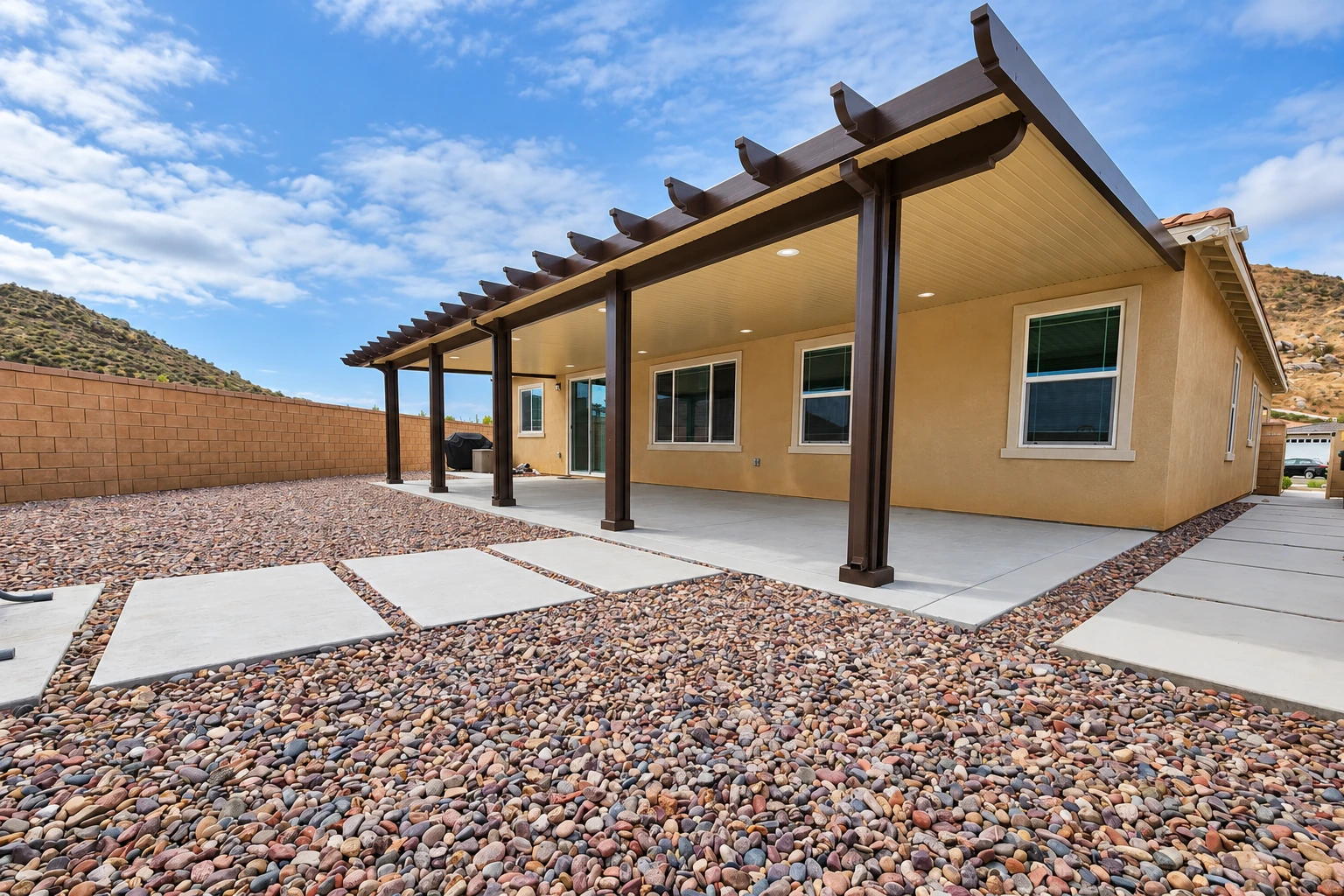
Foundation installation in Pasadena means pouring one of two things under your home. It's either a slab, a single layer of concrete poured thicker at the edges, or a raised foundation that holds your living space up over a crawlspace, and we choose between them based on your lot, your budget and your soils report.
Most people who call us about a foundation have a lot, a set of plans and a decision to make before anyone digs. The ground sets most of the price, mainly how much the lot slopes, what the soils report says, how much digging and dirt hauling it takes, and which foundation type fits. The schedule depends on getting the soils report back and settling the permit before we start. Your written estimate puts your own numbers on paper. We're based in Pasadena and work across the cities around it. When a property needs both a foundation and a concrete parking lot, we plan the two together so the grades work with each other.
How do you know it's time to plan a foundation?
A foundation job usually starts with a lot and a set of plans, not a problem you can see. These are the things that tell us the ground needs a careful look first.
Your plans for a new home or addition are ready, and the ground under them is still bare dirt.
The lot drops toward the back or side, which usually makes the foundation type the first big decision.
The yard cracks open in late summer and swells after rain, which usually means you have clay that moves.
Water sits in low spots after a storm, so drainage has to be planned before anything gets poured.
An old garage or shed came down and left a cracked, uneven slab that likely can't carry new walls.
Your soils report came back with notes on expansion or weak ground, and you're not sure what they mean.
If your plans are drawn or your soils report is back, call us now rather than after the framer is booked, so the foundation gets planned with the house.
What happens when you call us about a foundation in Pasadena?
You deal with me from the first call to the final walk, and our crew does the work. Here's how a foundation job runs, so you always know what comes next.
Call or send us the form
Give us the address, a note on how the lot slopes and whether you have a soils report yet. We get back to you to set a time to see the lot.
I measure and walk you through
I look at the slope, the plans and the soils report, ask what you're building and tell you which foundation I'd use and why. Then you get a written estimate for your lot, so the price is on paper before anything starts.
We settle permits and prep
Once you say go, we settle the permit question first. Then our crew digs, packs the base and sets the forms and steel, and I'm on site running the job.
Pour, finish and walk it
We pour, finish and let it cure, which is the wait that lets concrete gain strength before the framing goes on. At the end I walk the job with you while everything is still in plain sight.
Get a written foundation estimate for your lot
Send the form and we reply within one business day to set a time for me to see the lot. The on-site estimate is free, written out and comes with no obligation.
- Call
- (626) 345-7318
- Hours
- Mon–Fri: 8 AM–11 PM, Sat–Sun: 6 AM–10 PM
Slab and raised foundations, and what's under them
A slab is the simpler of the two to picture. It's one layer of concrete that normally sits on a bed of crushed gravel, which helps water drain out from under it. Its outer edge is poured thicker so it works as its own footing, and rebar runs through that edge. Rebar is the steel that gives concrete strength it doesn't have on its own.
A raised foundation is a concrete stem wall, a short wall around the outside edge, sitting on concrete footings. Concrete piers hold up the wood framing inside. The crawlspace under the floor keeps your plumbing, mechanical and electrical lines easy to reach, which is worth weighing if you expect to remodel or make repairs down the road.
Whichever one you build, the part I won't let anyone trim is what's underneath it. The subgrade is the packed ground the concrete sits on. It gets buried on day one along with the gravel and the drainage, so it's the first thing people want to cut from the budget. I'd rather put the money there, because a foundation is hard and costly to fix once a house is standing on it.
Foundation questions Pasadena owners ask us
What is the best way to choose between a slab and a raised foundation in Pasadena?
Start with the slope of your lot, your budget and your soils report, because those usually settle it. One California engineering firm says the choice depends heavily on budget, your design goals and the expansion index in the soils report, which rates how much the soil swells when it gets wet. The same firm calls slabs very economical and quick to pour on flat ground, with less labor and formwork than a deep raised foundation. It also says a raised foundation handles a slope much more easily, without massive retaining walls and dirt export. If your lot slopes, I'll tell you plainly which one is the simpler build.
How much does foundation installation cost in Pasadena?
The price depends on your lot, so an honest number comes from the written estimate after I've seen it. A flat lot with a slab usually keeps the first cost lower. A slope adds digging, hauling and wall work, and clay that the soils report flags as expansive can call for a heavier design. Truck access and how far the dirt has to go move the price too.
Who handles building permits for a new foundation in Pasadena?
Pasadena's Building and Safety Division takes building and safety applications. It requires a city business license from every contractor and agent who pulls a permit. When your job needs a permit, we sort out who's pulling it before we start and put that in writing, and we handle the paperwork on the ones we pull.
Why do I need a soils report before pouring a foundation in Pasadena?
The soils report tells you what's under your lot, and its findings shape which foundation fits, so it comes before the design is final. These reports often flag expansive clay across large parts of California, including the valleys around Los Angeles. Clay that swells and shrinks with the seasons is hard on a foundation that wasn't designed for it. The city lists a Soils Report Requirement handout and one on its Structural Observation Program among its building forms, and you can read both before your plans go in.
How do I know if my Pasadena lot is in an earthquake hazard zone?
Type your address into the state's EQ Zapp tool. It shows whether the property sits in a mapped earthquake hazard zone or in an area the state hasn't evaluated yet. In a mapped seismic hazard zone, weak soil or rock may lie underneath that can fail in an earthquake and damage buildings unless the grading and construction take proper precautions. Single-family frame homes up to two stories that aren't part of a development of four or more units are exempt from the state's zone rules. The city can still be stricter than the state, which is one more reason to start with the address check and the soils report.
What license covers concrete work in California?
The state's concrete contractor license covers it. The Contractors State License Board defines a concrete contractor as one who forms, pours, places, finishes and installs concrete work. That's every step a foundation takes, from setting forms to the last finishing pass. We're licensed and fully insured, and I'm on site to run the job.
Other concrete work that often goes with a foundation
Concrete footings
If you're adding a room, a porch or a heavy post rather than a whole house, footings alone may carry the load without a full foundation.
Concrete parking lot building
A multi-unit or commercial build usually needs parking too, and pouring it with the same crew keeps the grades and the drainage working together.
Book a lot visit for your foundation
Call (626) 345-7318 or use the form while your plans are still on paper, because switching between a slab and a raised foundation is far easier before anyone digs.
Mon–Fri: 8 AM–11 PM, Sat–Sun: 6 AM–10 PM